
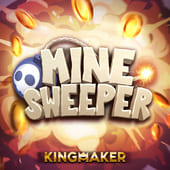
Minesweeper | Minesweeper Card Guide Demo
Minesweeper is a focused cards game where numbered clues help you decide which covered spaces are safe and which may hide a mine. Read the board patiently, mark risk, and open a route instead of relying on a blind guess.
For a quick answer, start with the Minesweeper Demo to learn the clue pattern, then choose a comfortable stake and use the same measured process in a live session.
More cards choices beside Minesweeper
These related records are presented directly from the cards catalogue. Tap an icon to use the official 30jili promotion route.



Minesweeper Theme and Player Experience
Minesweeper feels most rewarding when a busy-looking board becomes a readable map. The dark 30jili presentation keeps the active grid visually distinct, while a short round gives each choice a clear beginning, middle and finish. The experience is less about rushing every reveal and more about turning small pieces of information into a confident next move.
The central rhythm is observe, count, mark and open. A safe square can expose several new numbers, so one careful decision may explain an entire cluster. A suspected mine can be marked mentally or with the board control, allowing you to keep attention on the remaining unknowns rather than reopening the same question.
Minesweeper visual cues that matter
Number color, tile state and the boundary around an unopened space work together as a compact visual language. Treat each number as a local report: it tells you how many mines touch that area, not which single tile must be dangerous. Looking at adjacent groups prevents a bright animation or a near miss from becoming a substitute for evidence.
In a Minesweeper session, pace is part of the experience. Use the first few moves to learn the board shape, pause after a chain of safe reveals, and avoid increasing pressure simply because the last choice succeeded. That approach keeps the cards format approachable for a first visit and useful for players who prefer a deliberate game.
Minesweeper Mechanics Make Every Clue Useful
The key answer is simple: a numbered tile describes the mines touching it, so compare that number with the still-covered neighbors before opening anything. When all nearby mine positions are accounted for, the other adjacent covered spaces are the strongest candidates for a safe reveal.
Minesweeper clue counting in practice
Begin with a small region rather than scanning the whole board. Count the covered neighbors around a revealed number and compare that count with the number of mine marks already assigned. If the two counts match, the remaining neighbors can be treated as safe according to the board logic. If the number still exceeds your marks, keep the uncertain tiles grouped instead of forcing a conclusion.
Separate known, likely and unknown spaces
Known spaces are supported by a complete local clue. Likely spaces have a useful pattern but still share risk with another tile. Unknown spaces have not received enough information. This three-level mental model is valuable in Minesweeper because it stops a plausible guess from being described as a certainty and makes it easier to revisit a previous assumption.
When two clues overlap, use their difference. A higher number may include one extra mine that the neighboring clue does not touch; comparing the shared and non-shared neighbors can isolate that extra risk. Work outward only after the local relationship is clear. A compact note about the frontier is often more useful than a long list of guesses.
Cards play and responsible decisions
Minesweeper is a cards game, but no clue guarantees a financial result. Review the displayed rules, select a limit before opening the board and stop when that limit is reached. A Minesweeper Demo is a good place to practise counting; it is not a promise that a later paid round will follow the same outcome.
Players who enjoy active target choices can compare this measured approach with the visual pace of Happy Fishing, while keeping budgets and breaks separate for each game.
Why a Minesweeper Demo Is a Better First Step
A Minesweeper Demo answers the practical learning question before money is involved: can you read a clue, identify its neighboring frontier and make a decision without rushing? Use a few short practice rounds to understand the board controls, reveal states and mark functions, then decide whether the pace suits you.
Read the board
Notice how each revealed number relates to its immediate covered neighbors.
Mark risk
Use a consistent mark for a suspected mine so your attention stays organized.
Control pace
Pause after a reveal chain and review the next choice instead of chasing speed.
Set a limit
Choose a time and spend boundary before moving from practice to a real round.
From Minesweeper Demo to a real session
Once the controls feel familiar, read the displayed round conditions and choose the smallest comfortable participation level. Keep a written stop point, avoid chasing a reveal after a loss, and remember that a successful practice board is a lesson in process rather than a forecast. The best Minesweeper routine leaves room to stop while the game still feels clear.
For a wider brand overview, the 30jili home lobby shows the available categories and the same mobile-first navigation used on this page.
Minesweeper Board Artwork and Interface Notes
The local game artwork gives a quick visual reference for Minesweeper before the board opens. Look for the compact tile treatment and the high-contrast presentation that make a small-screen cards session easier to scan. The observations below describe the supplied game image and the interface details a player should confirm in the live view.
What to check when Minesweeper opens
First confirm that the board fits the phone canvas without clipped controls. Next find the current balance or round indicator, the reveal interaction and the mark or flag control. A clear reset option matters too: it lets you begin a new board without repeatedly tapping a completed state. These small checks make the Minesweeper Demo easier to understand and reduce accidental taps.
Keep the artwork as a visual guide, not as evidence of a guaranteed result. The meaningful information comes from the active board, its numbered clues and the rules displayed at the time of play.
Minesweeper Requirements for a Ready Session
The practical requirements are a stable mobile connection, a verified account path, a clear understanding of the board controls and a limit you are prepared to respect. You do not need a complicated system: a patient clue-reading routine and a small, preselected budget are enough to begin learning.
Mobile-ready screen
Use a current browser or the official app route and keep the board visible without zooming.
Stable connection
Wait for the round status to finish loading before selecting a covered space.
Account access
Use your own verified login details and never share a password or one-time code.
Planned stop
Decide when to pause before the first reveal so a tense round cannot set the limit.
A short Minesweeper checklist
Before participating, read the displayed rules and confirm the board type, stake range and any round timing. Open the Minesweeper Demo if you are still learning how marks and reveals work. During a session, keep your clue notes local to the current board, review uncertain spaces and take a break after a completed round. Afterward, check your history and stop rather than using another round to recover a result.
For a 30jili review that is useful in practice, focus on navigation clarity, rule visibility, account security and responsible tools instead of treating colorful animations as proof of an advantage. The same standard applies whether you use a browser or a mobile app download path.
When you are ready, use the official action below and confirm the destination before entering credentials.
Minesweeper in one clear routine
Learn the clue language in the Minesweeper Demo, separate known from uncertain spaces, choose a modest limit and keep each reveal deliberate. That simple routine gives the cards game a focused shape on a small screen.